







Search Results for: Coffee Grounds Composting
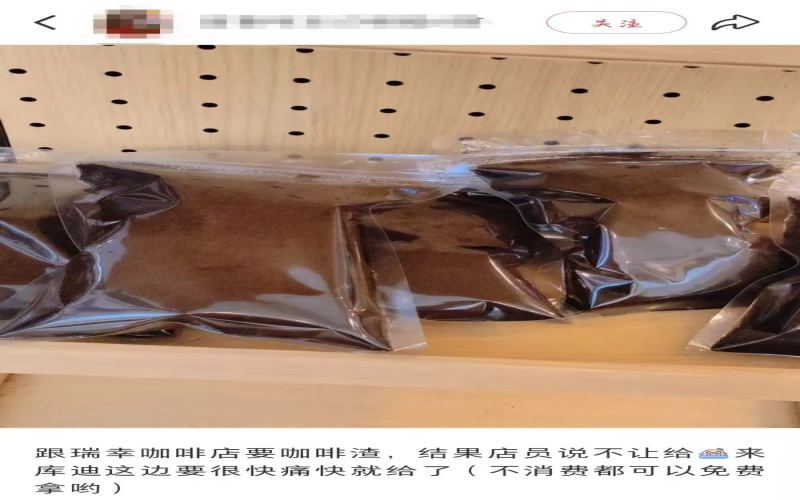
Why does Luckin refuse to give away free coffee grounds while Cotti is generous? Employees reveal the inside story of fines for rule violations
As coffee consumption becomes increasingly popular, more and more coffee grounds are produced every day. These seemingly useless "waste materials," through the clever reuse of netizens, have become treasures for composting and deodorizing. However, when consumers want to ask coffee shops for free coffee grounds, they encounter completely different treatment: Luckin stores strictly refuse, while Cotti generously gives them away. What exactly are the regulations and hidden reasons behind this? This article takes you to find out, and includes practical advice from Front Street Coffee. [more…]

Don't rush to throw away coffee grounds! 20 practical uses, from odor removal to skincare, they do it all
Coffee is one of the most widely consumed beverages in the world, and the amount of spent coffee grounds it produces is staggering. Many people simply throw away the grounds after brewing, but these seemingly useless remnants actually hold a great deal of overlooked value. From deodorizing the fridge and removing odors from your hands, to hair care, natural dyeing, repelling ants, and fertilizing plants, coffee grounds can be put to use in household cleaning, personal care, gardening, and even cooking. This article compiles 20 practical and interesting uses for coffee, helping you get the most out of it before you throw it away. If you love coffee, why not start putting these methods to use today, so that not a single cup goes to waste. [more…]

Starbucks Upgrades Its Environmental Practices Again: Discarded Reusable Cups Recycled into Coasters, Coffee Grounds Turned into Straws and Cakes
As the world's largest coffee chain brand, Starbucks consumes an astonishing amount of materials in its daily operations, with plastic products being a significant component. In recent years, Starbucks has continued its transformation into an environmentally friendly brand, constantly introducing new initiatives in resource recycling. Starbucks Japan recycles discarded tumblers into coasters, while coffee grounds are used for composting to grow carrots and make cakes for sale; Starbucks China processes coffee grounds into cold drink straws. Additionally, Starbucks is accelerating the opening of "Green Workshop" stores, using discarded items from other stores for creative upcycling. These practices not only reduce carbon emissions but also demonstrate to consumers more possibilities for waste recycling, offering considerable inspiration to the coffee industry. [more…]
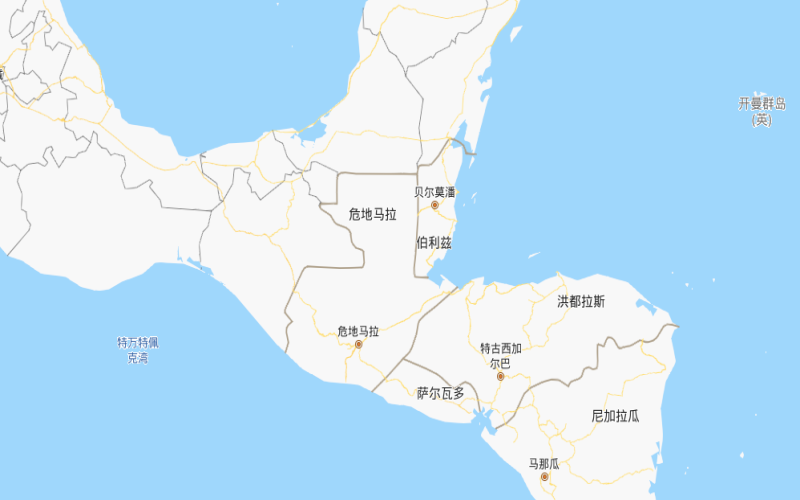
Flavor Analysis and Brewing Suggestions for Guatemala Santa Felisa Estate Geisha Orange Honey Process Coffee
Guatemala, with its high-altitude volcanic terrain and diverse microclimates, has become an important producer of specialty coffee in Central America, and its coffees often carry a distinctive smoky note in the finish. Finca Santa Felisa in the Acatenango region, founded in 1904 and now passed down through four generations, is known for its meticulous management and diverse processing methods. This article focuses on the estate's Geisha Orange Honey process lot, analyzing its flavor layers from grinding to tasting, including floral notes, honey, blueberry, apricot, and bergamot, while also introducing the estate's practices in varieties, post-harvest processing, and human care. It also shares Front Street Coffee's brewing parameters and bean-resting recommendations to help coffee enthusiasts better present the delicate elegance of this bean. [more…]
Brazil Cerrado Region's Cerrado Coffee Beans: The Flavor Code from Wilderness to Specialty Certification
Cerrado (also spelled Hilado/Hilado), which means "savage land" in Portuguese, has now become synonymous with Brazilian specialty coffee. This flat plateau at an altitude of about 1,000 meters, with its unique soil, abundant groundwater, and modern agricultural technology, has completed a magnificent transformation from being ignored to becoming a world-class producing region. In 2005, the Brazilian government officially certified the "Cerrado Designation of Origin," and only coffee beans that pass strict testing and score more than 75 points under SCAA scoring can receive this honor. This article will take you through an in-depth understanding of the birth of Cerrado coffee, the establishment of the CACCER producers association, ecological cultivation methods, two harvesting models, and the traceability system, along with recommendations from Front Street Coffee. Whether you are a coffee enthusiast or a professional in the industry, you can feel the unique flavor and craftsmanship that this land gives to coffee. [more…]
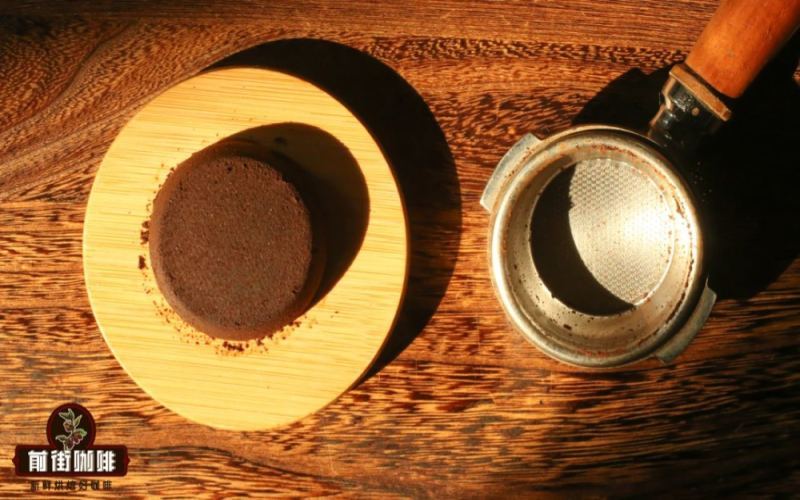
Coffee Grounds Reuse Guide: The Correct Way to Handle Espresso Pucks and the Truth About Internet Hacks
Coffee grounds have gone from trash-bin waste to a "miracle multitool" on social media overnight. Growing flowers, applying to the face to reduce swelling, using in the bath to exfoliate and lose weight... all kinds of uses are being frantically shared. But people who tried them found: the flowers died, the face swelled up, the drain got clogged. Are these viral internet uses actually reliable? And what are the genuinely reasonable uses for coffee grounds? This article will sort through the ins and outs of coffee ground reuse one by one, uncover the truth behind those misrepresented folk remedies, and tell you how espresso pucks should really be handled in a scientific way. If you happen to have Front Street Coffee espresso blend beans and the pucks left after pulling a shot, you might want to read on. [more…]

What Can Coffee Grounds Actually Do? Are They Reliable for Gardening, Face Masks, and Bathing? A Clear Guide to the Correct Uses
Coffee grounds have transformed from waste into an internet-famous wonder, with social media platforms overflowing with clever uses for them—growing flowers, reducing facial puffiness, exfoliating in the shower, even losing weight. Yet those who try these tricks often end up with disasters: dead plants, swollen faces, clogged drains. Which of these popular uses actually hold up, and which are traps? This article starts with Starbucks' environmental initiative of giving away free coffee grounds, then examines one by one the scientific basis behind claims like using coffee grounds to grow flowers, reduce dark circles under the eyes, ease facial swelling, and aid weight loss in the shower—telling you what coffee grounds are truly good for and what details to watch out for when using them. If you've also accumulated a pile of coffee grounds and don't know what to do with them, or are thinking of jumping on the bandwagon, you might want to finish reading this first before you start. [more…]
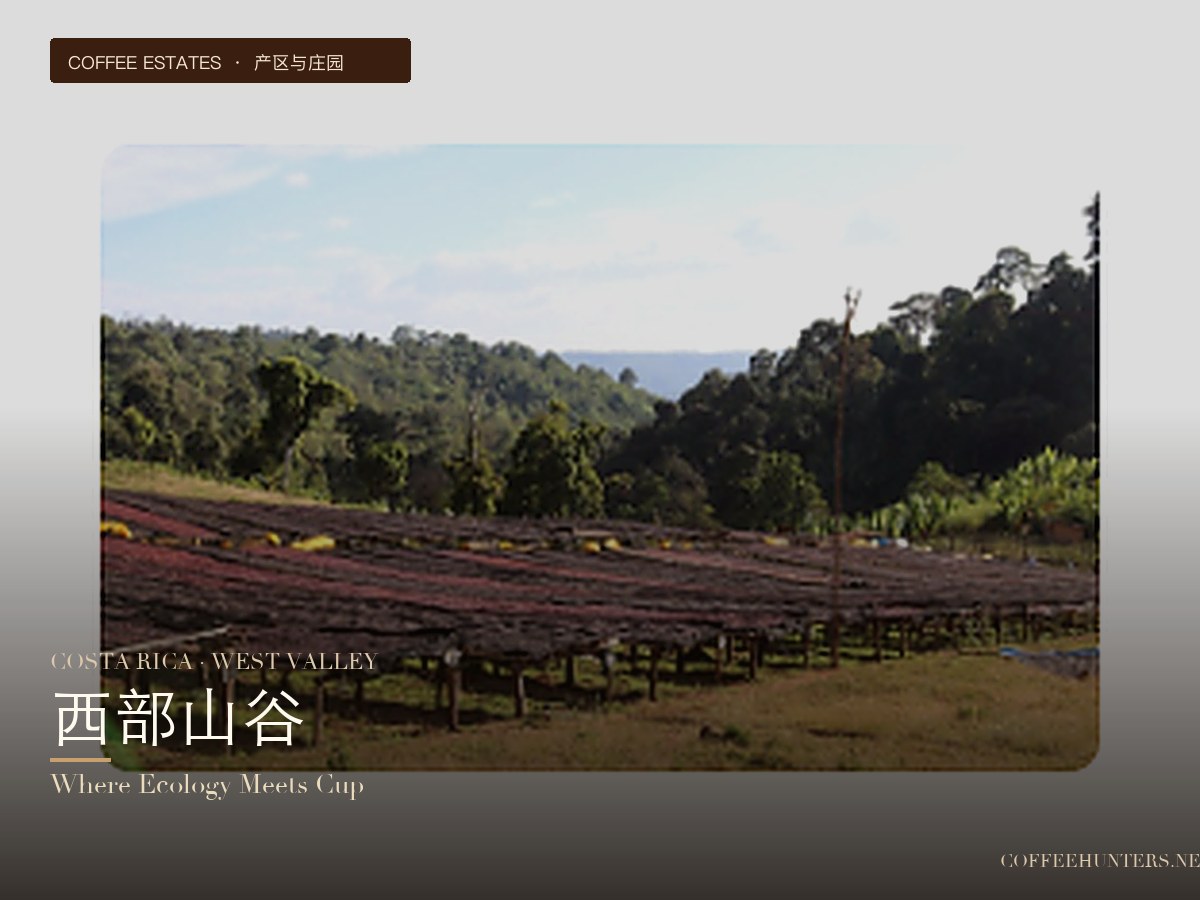
Costa Rica · Western Valley: A Representative of Ecological Specialty
The Western Valley is one of Costa Rica's four major specialty coffee regions, known for its eco-friendly growing philosophy and diverse processing methods. This article introduces the characteristics and signature flavors of this region. [more…]
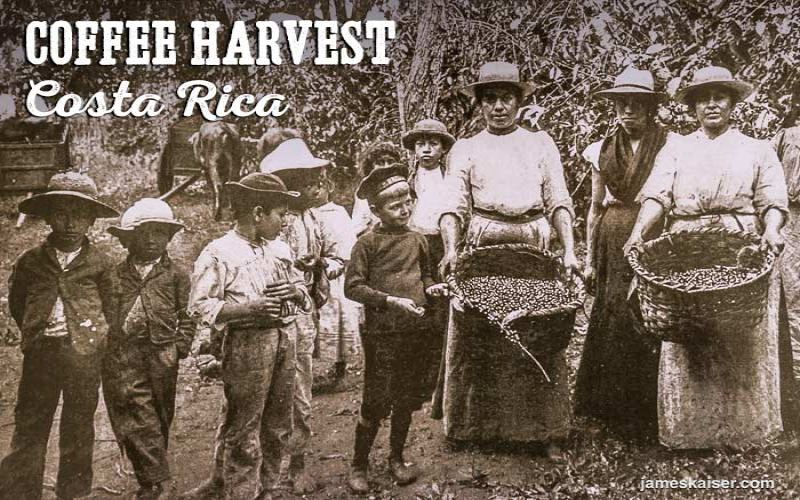
Flavor Profile and Estate Story of Costa Rica Fuego Phoenix Estate SHB Red Honey Process Green Coffee Beans
The Fire Phoenix Estate in Costa Rica's Central Valley is the earliest organic coffee producer in Central and South America to explore honey and natural processing methods. The estate sits on the fertile hills of the Poas Volcano, using a refractometer to precisely determine harvest timing, with coffee cherry sweetness reaching 21–22. This SHB-grade red honey green bean features Caturra and Catuai varieties, 18-screen size, presenting a thick, delicate flavor of dried fruit, vanilla, and honey. The honey process sits between natural and washed, retaining cleanliness while enhancing sweetness and caramel notes. Front Street Coffee's recommended Blackberry and Mozart are prime examples of the charm of Costa Rican honey processing. [more…]
Guatemala Santa Felisa Estate Red Pacamara Natural Coffee Beans: Full Analysis of Flavor, Origin, and Processing Method
Santa Felisa Estate is located in Acatenango, a famous producing region in Guatemala. Founded by the Cruz family in 1904, it has now passed down to its fourth generation. The estate has repeatedly achieved excellent results in the Guatemala Cup of Excellence (COE) in 2016 and 2017, including first place in 2017. The batch introduced here is the Red Pacamara variety with natural processing, presenting flavors of pineapple, strawberry, black plum, and walnut, with a rich juicy feel, clean and delicate, and full layers. Guatemalan natural green beans are relatively rare, so this bean has attracted much attention. Front Street Coffee recommends that friends who enjoy natural flavors give it a try and experience its special ripe fruit aroma. [more…]
In-Depth Analysis of Costa Rica Fuego Phoenix Estate Coffee: Black Rose Honey Processing and Natural Flavors from the Central Valley Region
Costa Rica, with its abundant coastlines on both the east and west and its high-altitude volcanic soil, produces high-quality coffee with a mild flavor, bright acidity, and rich body. Its Central Valley production region sits at an altitude of 1,200 to 1,600 meters, where the microclimate and the fertile soil of two volcanoes together create coffee with hard beans and full aroma. Finca El Fénix, as the earliest producer in Central and South America to practice honey processing and natural processing, uses a refractometer to precisely control the harvest timing and has cultivated the astonishingly sweet Black Rose lot. This article will provide an in-depth introduction to the estate's environmental philosophy, the SHB extremely hard bean standard, and the unique processing technique of Black Rose, along with Front Street Coffee's pour-over recommendation. [more…]
What Value Does Coffee Pulp Have? An Analysis of Cascara Coffee Cherry Tea's Production Method, Flavor Characteristics, and Caffeine Content
As the specialty coffee and tea beverage markets continue to evolve, an exotic drink called Cascara has gradually entered the public eye—it is precisely a cascara tea made from dried coffee fruit pulp. This beverage sits somewhere between coffee and tea, offering unique flavors of rosehip, hibiscus, and cherry, while containing far less caffeine than coffee. This article will provide a comprehensive analysis of the reuse value of coffee pulp, from the definition of Cascara, processing methods, flavor characteristics, caffeine data, and historical origins to brewing recipes, and will introduce Front Street Coffee's recommendations and product information for this category, helping coffee enthusiasts and shop owners understand this eco-friendly and novel beverage option. [more…]
Costa Rica Diamond Mountain Estate Coffee Bean Review: An Analysis of Flavor, Aroma, and Mouthfeel Behind the Plump Beans
Coffee beans from Costa Rica's Diamond Mountain Estate have always been famous for their plump beans and outstanding sweetness, and Front Street Costa Rica coffee is a representative of bright, clear, and mildly acidic coffee. This article will systematically sort out the aroma and taste characteristics of this specialty coffee from multiple perspectives, including the terroir of the producing region, processing methods, and cupping flavors, and will also provide an in-depth introduction to the history and current state of Costa Rica's coffee industry. At the same time, it retains relevant product information from the Front Street brand to help coffee lovers more fully understand the unique charm of this bean. [more…]
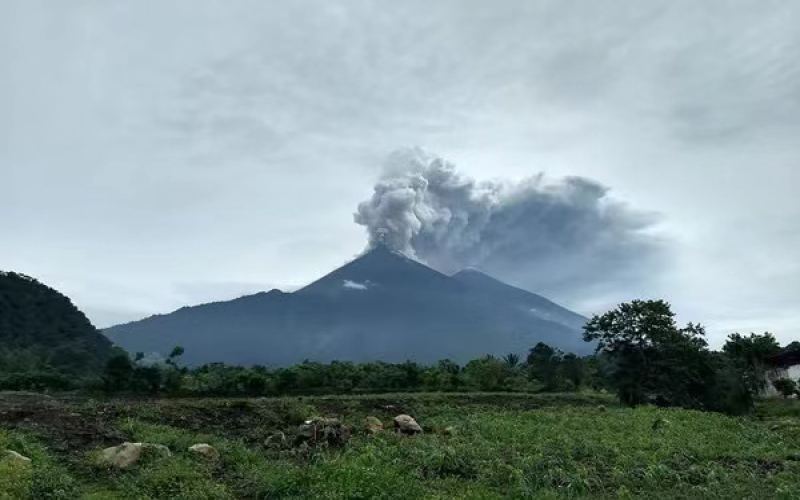
Guatemalan Geisha Coffee Producing Regions and Estates Review with Detailed Pour-Over Parameters
Although Guatemala is not a large country, it possesses an astonishing diversity of microclimates, from tropical rainforests to volcanic highlands, giving rise to distinctive specialty coffees. This article focuses on Geisha lots from two major Guatemalan estates—Acatenango Cooperative and La Bella Estate—breaking down everything from terroir and processing methods to cupping flavors, and includes a complete pour-over recipe from Front Street Coffee. If your curiosity about Geisha extends beyond Panama, this article will guide you through the unique floral aromas and sweet-tart layers of Guatemalan Geisha. [more…]
Exploring Panama's Janson Estate: Terroir and Sun-Dried Processing Flavor Analysis of Geisha Coffee Beans
Panama is a core producing country for specialty coffee worldwide, and the Geisha variety is undoubtedly its most dazzling star. Besides the widely known Hacienda La Esmeralda, Hacienda Janson also ranks among the top tier with its outstanding Geisha quality. From the perspective of Front Street Coffee, this article systematically reviews Panama's climate and producing regions, focusing on Hacienda Janson in the Volcan region, analyzing its growing environment, variety traceability, and natural processing method, and includes Front Street Coffee's brewing suggestions and flavor description, taking you through a comprehensive understanding of this rare, primarily domestically sold Panama Geisha. [more…]
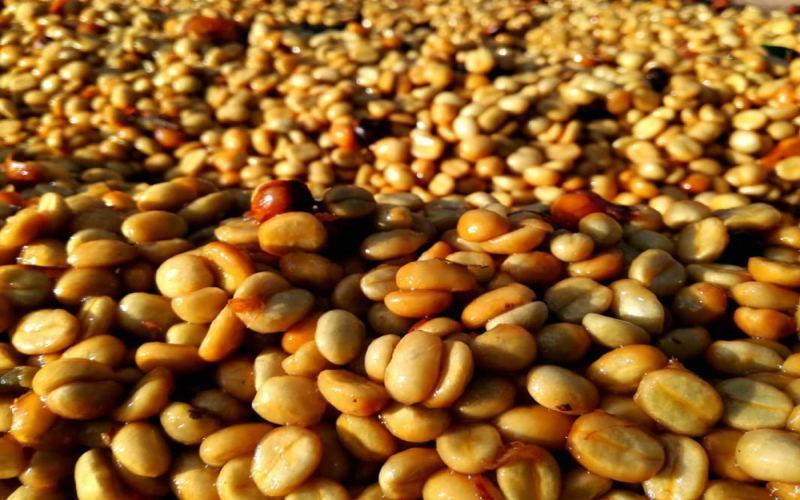
Why Does Costa Rican Honey-Processed Coffee Have Such Outstanding Sweetness? Uncovering the Regions, Varieties, Processing Methods, and Import Situation
Costa Rican honey-processed coffee has long been celebrated for its honey-like sweetness, and Front Street Coffee has featured it as a signature pour-over since 2013. Although this Central American country is not the largest producer, its legally mandated cultivation of Arabica, its blessed volcanic soil and high-altitude growing regions, and its masterful honey-processing techniques combine to create elegant, sweet coffee flavors. From Front Street's perspective, this article systematically reviews Costa Rica's producing regions, common varieties, processing methods such as honey processing and raisin anaerobic honey processing, and recommends several representative coffee beans including the Musician Series, Fire Phoenix Sapphire, Rume Sudan, and Geisha. [more…]
An Analysis of the Pour-Over Flavor and Mouthfeel Characteristics of Costa Rican Geisha and Mirazu Natural Process Beans
Costa Rica is renowned worldwide for its honey-sweet coffee flavors, and its honey processing technique is regarded as the industry benchmark. Since its founding in 2013, Front Street Coffee has introduced Costa Rican beans, which remain a signature choice for coffee lovers with a sweet tooth. This article systematically reviews Costa Rica's eight major producing regions, main coffee varieties, processing methods such as honey processing and raisin anaerobic honey processing, and highlights Front Street selected beans including the Mirazu Estate sun-dried Geisha and the Musician Series, taking you through a comprehensive understanding of the flavor code of this Central American coffee powerhouse. [more…]
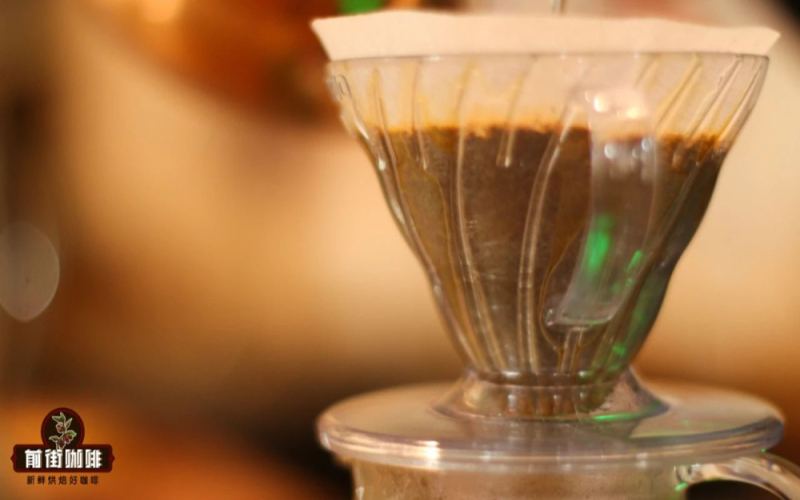
Don't Let Expired Coffee Grounds Go to Waste: Many Practical Uses and Ways to Reuse Coffee Grounds in Daily Life
For coffee lovers, the large amount of coffee grounds left after each brew is often a dilemma—simply throwing them away seems a bit wasteful. In fact, with a little clever use, these seemingly useless grounds can easily be turned into something valuable. Front Street Coffee reminds everyone that coffee grounds are not only excellent plant fertilizer, but also have multiple benefits such as deodorizing, preventing flavor transfer, beautifying and calming the mind, and even refreshing the senses. From flowerpot fertilizer to shoe cabinet dehumidifying, from preventing flavor transfer in the refrigerator to making your own calming pillow, the uses of coffee grounds in daily life are far beyond imagination. This article will systematically sort out practical tips for using coffee grounds, helping you easily achieve resource reuse while enjoying coffee, so that every particle of coffee powder can deliver maximum value. [more…]

Espresso Coffee Distribution and Tamping Techniques: How to Avoid Channeling and Improve Extraction Uniformity
In the making of espresso, although distribution is just a simple step, it directly affects whether the extraction is even. Many coffee enthusiasts find that the puck surface looks level, yet during extraction channeling occurs frequently, with coffee liquid spraying everywhere. The key reason behind this often lies in the uneven distribution of coffee grounds inside the basket, rather than the flatness of the surface. Using its commercial espresso blend beans as an example, Front Street Coffee explains in detail the correct methods of distribution and tamping, including the choice of how to catch the grounds, the technique of smoothing with a finger, and the points to note when tapping the portafilter, helping everyone start from the details to reduce channeling and improve the extraction quality of espresso. [more…]
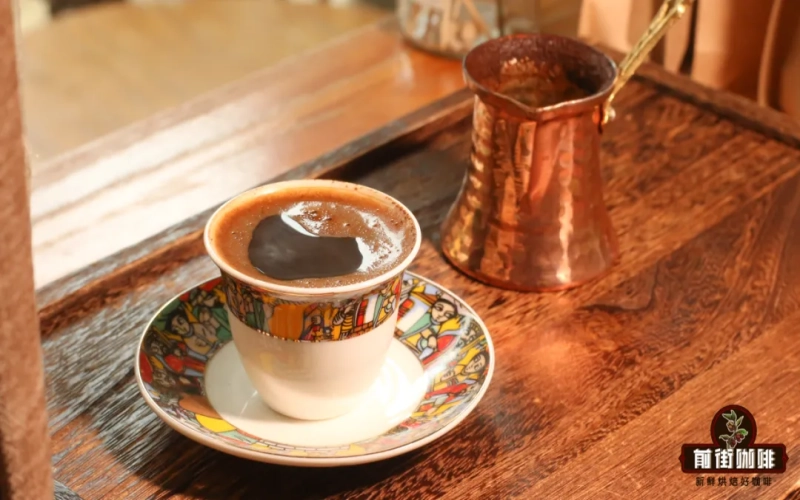
Why does Turkish coffee deliberately retain the coffee grounds? An analysis of the ultra-fine grind and the no-filter tradition
In an era where filter brewing devices are highly popular, Turkish coffee still insists on being consumed with the grounds, powder and all. This is not backwardness or laziness, but rather something shaped jointly by its sand-brewing extraction method, extremely fine grind size, and deep cultural tradition. From the perspective of Front Street, this article explains why Turkish coffee is not filtered: just how fine its grind really is, how it differs from espresso grounds, how the coffee powder quickly settles in a short time and gives the coffee a rich mouthfeel, and the fortune-telling custom that has arisen from keeping the grounds, helping you fully understand the logic behind this unique coffee culture. [more…]